

Think You Know London? Top 10 Historical Facts About the UK’s Capital
Categories: 10 of the Best, Excursions, London Living
DISCOVER LONDON’S SECRETS AS AN SCL STUDENT
Yes, London is home to some of the world’s leading finance and technology companies but it’s also a place where the past comes alive on every street corner. Exploring the city feels like stepping into a living history book, full of stories waiting to be discovered.
At SCL International College, students don’t just learn about London from textbooks. Through our Culture Club course, students explore the city’s culture first-hand, covering topics such as history, food, art and sport. This programme helps develop your English language level and build your confidence, all while discovering one of the most exciting cities in the world.
If you’re thinking about discovering the metropolis, look no further. Here are ten historical facts about London that will help you see the city in a new light.
1. Borough Market is the city's oldest
With over 300 markets to choose from, we’re starting with one of London’s most delicious treasures: Borough Market, the city’s oldest food market. Located right next to London Bridge, this is where history and flavour meet at every stall. With fresh fruit and vegetables to international street food, it’s a feast for the senses.
Fun Fact: The name "London" came from the Romans who named it “Londinium” when they started to make their mark on the city in AD 47. Peppered throughout the capital, you’ll find evidence of how people lived, and many of the ruins are highly accessible today via organised or independent tours.
Borough Market is open Monday to Saturday, with Friday afternoons and Saturday afternoons being the busiest times. There are countless vendors year-round, so take your time, try something new and soak up the atmosphere that has attracted Londoners and tourists for years.

2. The First City to Host the Olympic Games Three Times
The Olympics captures something London does best: bringing cultures together, so it’s no surprise that it was the first city to hold the rare record of having hosted the Summer Olympic Games three times in 1908, 1948 and 2012.
The most recent Games in 2012 transformed East London from an industrial area into a residential, commercial and cultural hub, leaving behind high-quality sports venues and green spaces.
3. Big Ben Is Not What You Think
Despite being one of the most photographed landmarks in the world, many people are unaware of its actual name. If you’ve ever been to London or even seen a picture of the city, you’ve probably seen the giant clock tower. The real name of this iconic landmark is the Elizabeth Tower, not Big Ben. The tower was renamed to honour Queen Elizabeth ||’s diamond jubilee.
So why is it called Big Ben? Well, it’s believed that the tower was dubbed after a tall man named Sir Benjamin Hall, Chief Commissioner of Works, who was responsible for the completion of the new Houses of Parliament and the installation of the Great Bell (Big Ben).

4. The World’s First Traffic Light Was Installed In London
Long before traffic lights became the norm, London was already ahead of the curve. On 9 December 1868, the first traffic light in the world was installed just outside the House of Parliament, right in the heart of the city.
5. London Is Home to Europe’s Biggest Street Festival
Held every August, Europe’s largest street festival, Notting Hill Carnival, celebrates Caribbean culture with lively parades, music and delicious food.
Notting Hill Carnival was first held in 1966 when it attracted around 500 people. Today, the festival attracts hundreds of thousands to London. You can expect to see 50,000 performers in the parade, with more than a million people attending over the weekend.
Created by Caribbean communities at a time when they faced discrimination and social challenges, the carnival became a joyful act of resistance where identity, heritage and unity were celebrated. This event usually takes place on the last weekend of August and best yet: it’s free!
Today, Londoners and even people from across the UK travel to be a part of this event. Beyond music and dancing, the carnival is a reminder of how London’s history has been shaped by migration and cultural exchange.
If you’re planning on going to the carnival, here's a few things to remember:
- Many road closures take place during the festival, so public transport is the best way to travel to Notting Hill Carnival in west London. The nearest tube stations include: Paddington, Sheperd’s Bush, Queen’s Park and High Street Kensington.
- Believe it or not, London does have hot summers, so ensure to bring a water bottle and wear sunscreen.
- The route for the event is usually the same, and a map can be found on the official Notting Hill Carnival app.

6. London's Underground Could Have Been Water-Based
Before the London Underground existed, engineers considered a very different idea: water-based transport beneath the city. Plans included underground canals where boats would carry passengers.
As creative as the idea was, it was also impractical; luckily, this led to the creation of the beloved London Underground that we know today.
7. London has over 170 museums
One of the most iconic features of this vibrant city is the incredible museum scene; there are over 170 museums scattered throughout the city. Whether you love history or art, London’s museums offer something for everyone. From world-famous institutions like The National Gallery and the Natural History Museum to quirky gems such as the Museum of Brands, London’s museum scene is as varied as the city itself.
Here’s a list of our top three museums to visit:
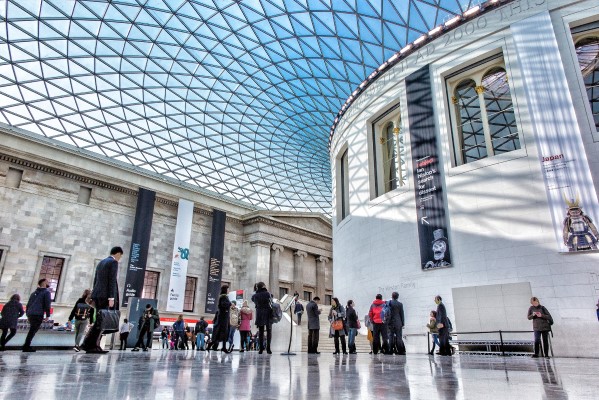

Science Museum
Located in South Kensington, this museum is home to award-winning exhibitions and is filled with stories of incredible scientific achievement. You can spend a whole day there, experiencing interactive galleries that bring science to life.

Tate Modern
Perhaps ancient art is not for you. If that’s the case, then you can visit Tate Modern. Housing modern and contemporary art from around the world, the building was originally a power station. In 1994, the Tate Gallery took over and converted it into the stunning museum it is today.
Tip! Looking for more indoor activities in case the weather doesn't cooperate?
Check out our blog post: 10 Fun Indoor Activities for International Students in London
8. The London Eye Was Not the First Giant Wheel
Over a century ago, the Great Wheel of Earls Court dominated. At 94 meters tall, this steam-powered structure was Britain’s answer to the Eiffel Tower. It was the largest wheel in the world when first constructed and the tallest structure in London, other than St Paul’s. A trip on the wheel would take about 20 minutes and only cost six pence!


9. Birds Guard the Tower of London
Built by William the Conqueror, the Tower of London is famous for many reasons, including royal prisoners, executions and the Crown Jewels. Its other residents might surprise you.
It is said that the kingdom and the Tower of London will fall if the six resident ravens ever leave the fortress. Despite this warning, a few birds have left the famous landmark: Raven Munin flew off to Greenwich, but was eventually returned by a member of the public. Phew!
This is a perfect example of how myth and history intertwine in London. You can visit the ravens and the iconic castle year-round. Tickets for children between the ages of 5 and 15 cost £18.50, whereas adult tickets cost £37. A ticket includes entry to all public areas of the Tower such as The Crown Jewels, The White Tower, Bloody Tower and more!
10. London Is Drier Than You Think
London’s reputation for constant rain is exaggerated. It rains more often in Paris than in London!
Grey skies are quite common, but that’s ideal for walking, exploring and discovering the hidden corners of the city. So don’t let the weather myths stop you from getting outside and experiencing everything that London has to offer! Stop by the Reception Desk at any of our locations and join a walking tour or excursion that allows you to discover hidden gems and make new friends from around the world.
Explore Everything London Has To Offer with SCL
London is rich with histories and hidden stories, and with SCL International College as your home base, you won’t miss a single one.
The best part is you don’t have to commit to a full year to be part of our community. International students can join our English courses for as little as one week or as long as 12 months. Whether a short adventure or a life-changing academic journey, SCL will be here to guide you through everything London has to offer.
For questions or support, reach out through our contact form, email info@sclinternationalcollege.com, or visit any of our London campus receptions. We’re here to guide you every step of the way.
Share this post!
Explore our blog
Select from below to filter by category.
Stay Informed
Subscribe now and get our monthly enewsletter with all our latest tips and guides.